
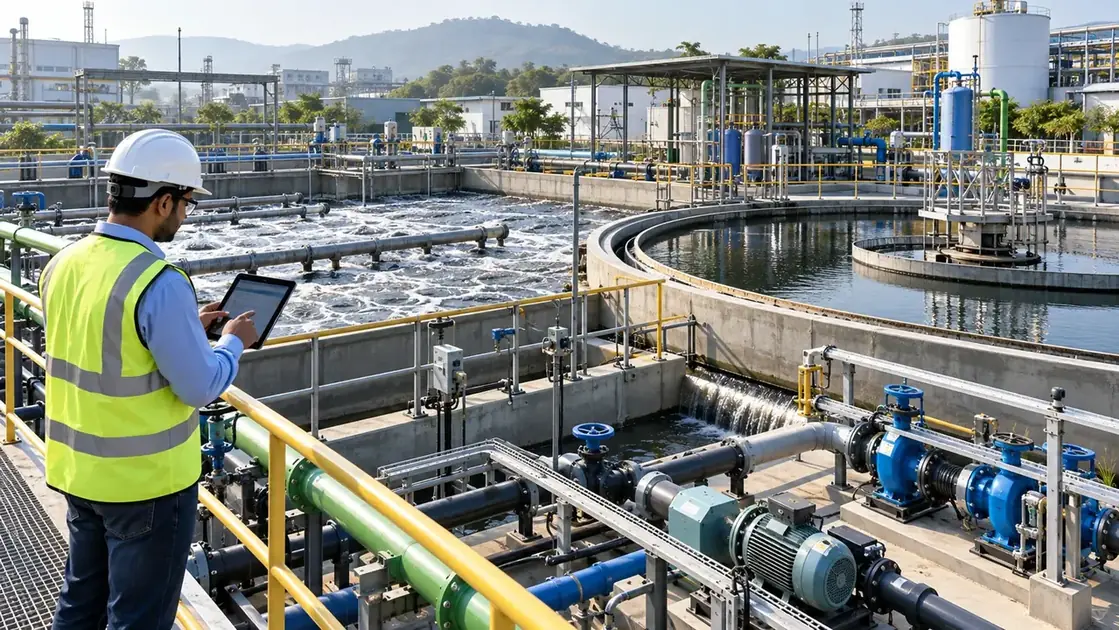
ETP Not Working Properly? Common Causes and Practical Fixes
A practical industrial ETP troubleshooting guide for high COD/BOD, unstable pH, low dissolved oxygen, sludge settling, foam, odour and inconsistent outlet quality.
Practical engineering guidance for Plant Heads, EHS teams, facility managers and industrial decision-makers dealing with ETP, STP, plant performance, compliance and revamping challenges.
A practical industrial ETP troubleshooting guide for high COD/BOD, unstable pH, low dissolved oxygen, sludge settling, foam, odour and inconsistent outlet quality.
Focused content built around real industrial and facility-level water-treatment problems.
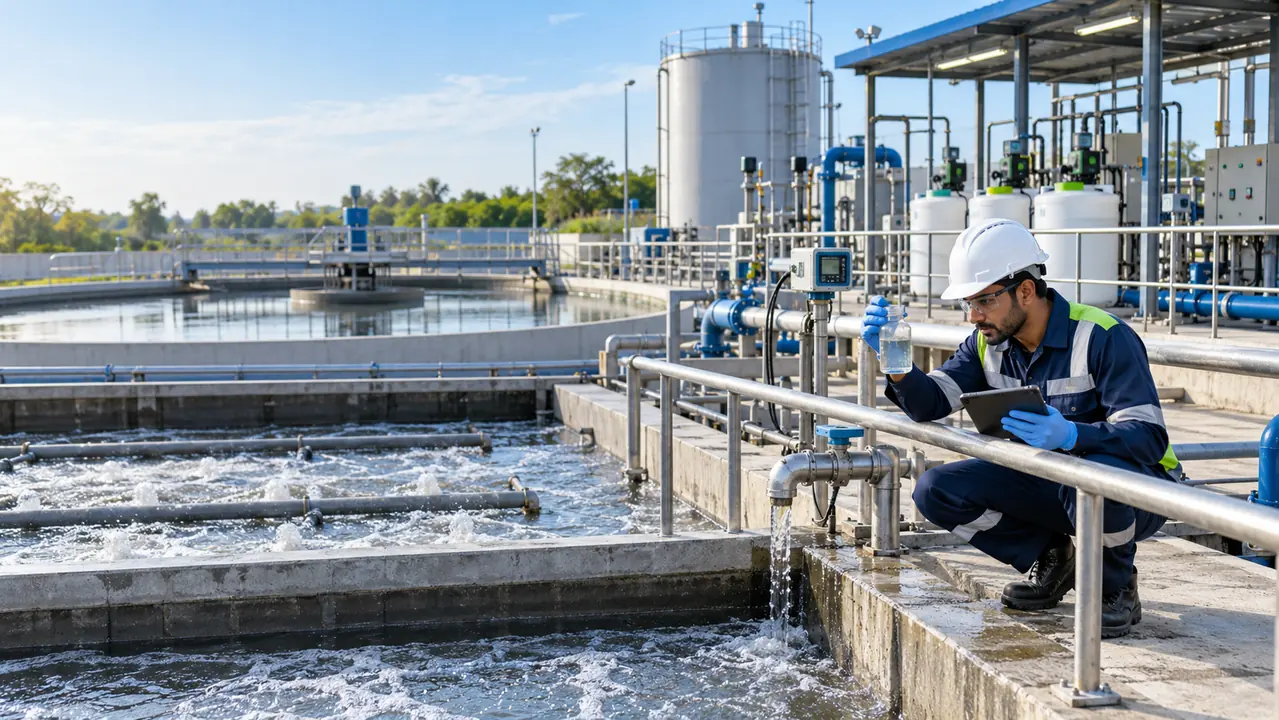
Understand why COD remains high after treatment, how to diagnose COD removal stage by stage, and when optimization or revamping may be required.
Read article →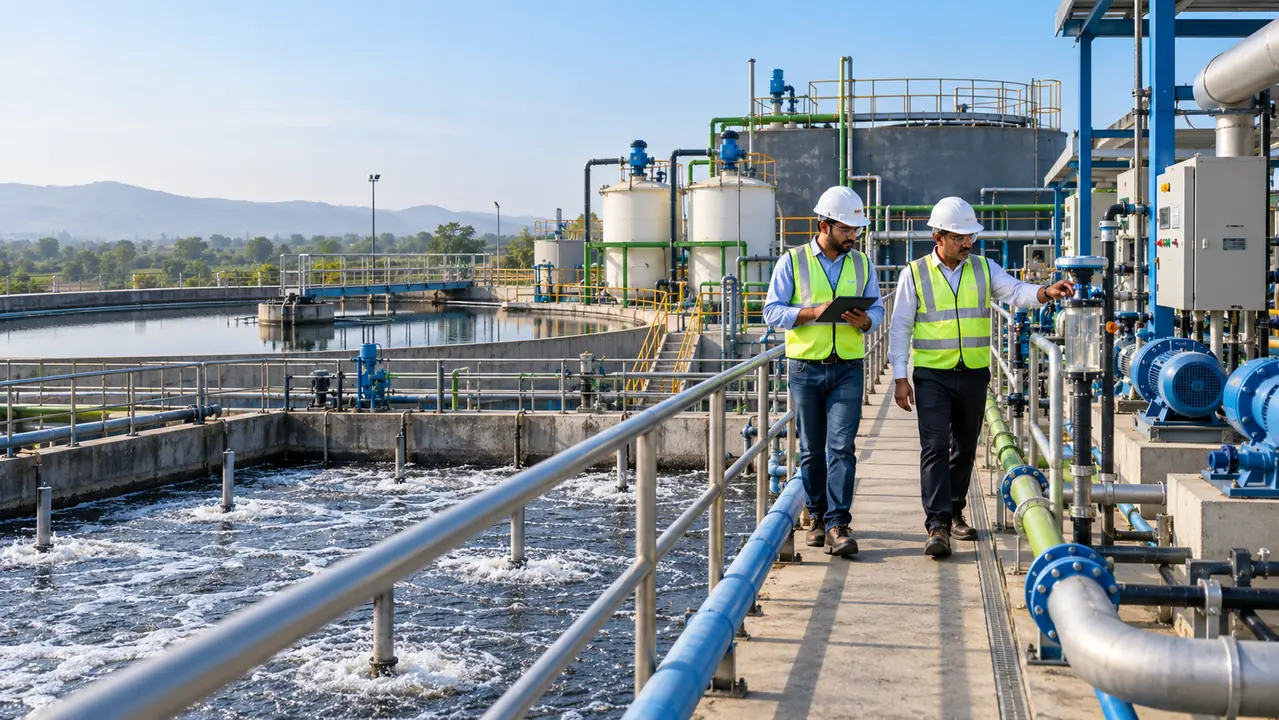
A structured 20-point engineering checklist to assess hydraulic and pollution load, process bottlenecks, equipment condition, compliance and future production requirements.
Read article →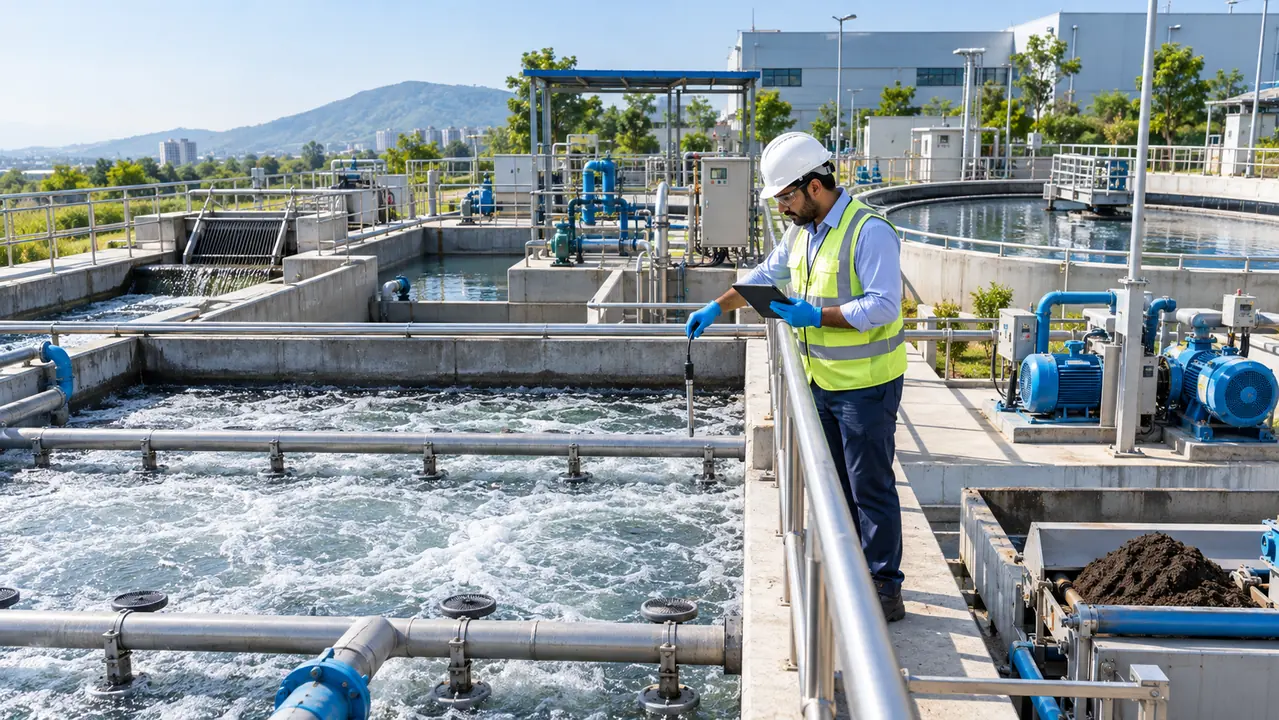
Identify where sewage-treatment odour is coming from, why rotten-egg or septic smell develops, and what to check in aeration, tanks, sludge and plant operation.
Read article →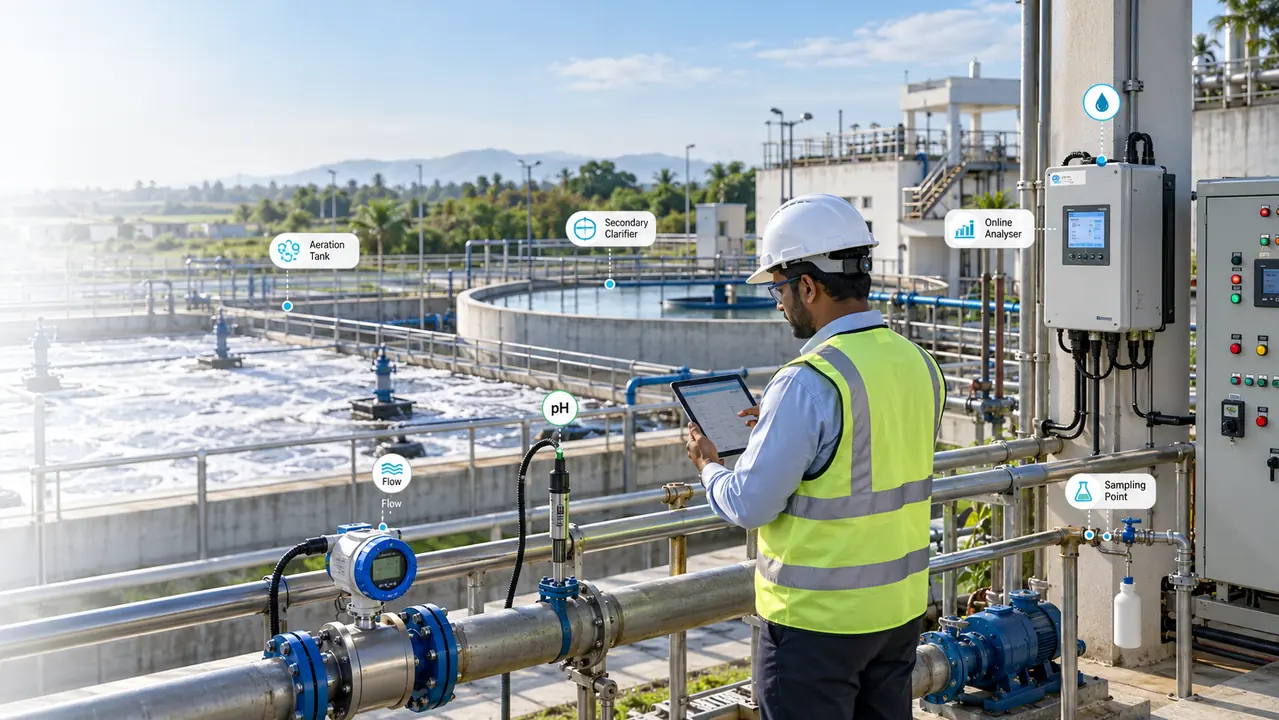
Understand OCEMS, monitoring parameters, MPCB connectivity, calibration, alerts, data reliability and how online wastewater monitoring can support better ETP/STP operation.
Read article →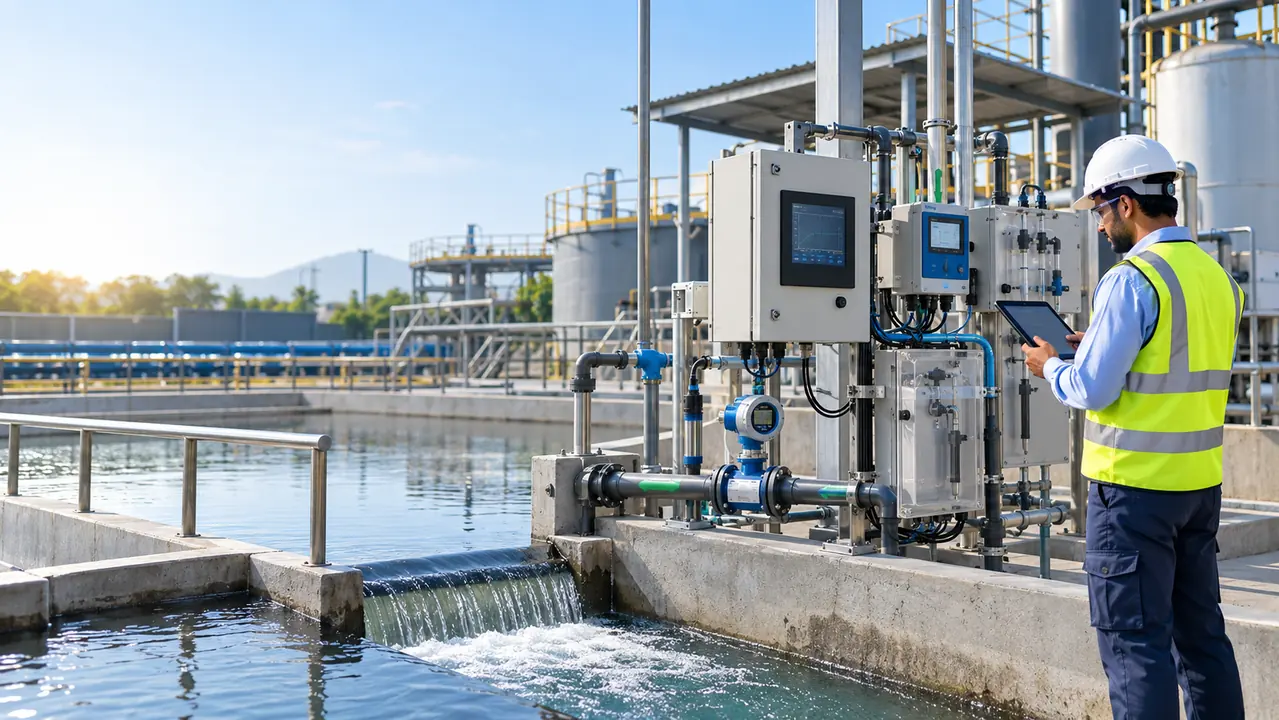
OCEMS full form, meaning, monitored parameters, CPCB/MPCB connectivity, calibration and practical guidance for industrial monitoring decisions.
Read article →If your ETP or STP is repeatedly underperforming, Hydropure Consultants can assess the actual treatment process, wastewater load, operating conditions and equipment before recommending corrective action or revamping.